Systems · Solar energy
Solar potential. Defined by purpose.
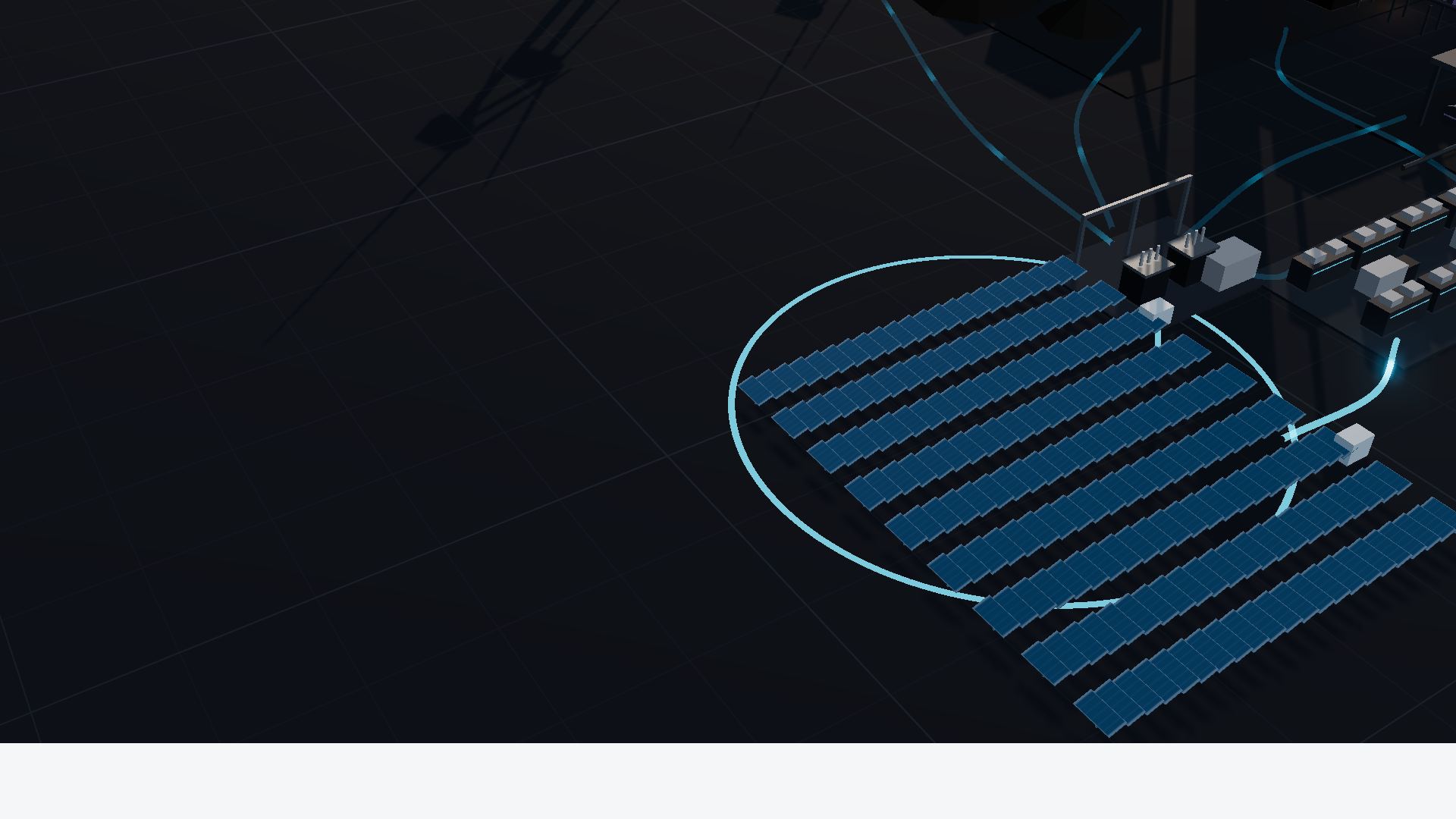
A solar project begins with more than panel capacity. The site, generation profile, electrical connection and customer requirement determine what the system needs to deliver. KyperX welcomes enquiries about solar-farm concepts, industrial generation and equipment evaluation.
Applications
Put solar to work in the right application.
-
01
Solar-farm development
Investigate a generation opportunity and the requirements for its next assessment stage.
-
02
Industrial supply
Evaluate generation against a site's electricity demand.
-
03
Solar with storage
Examine which energy can be used directly and which duty a battery would serve.
-
04
Hydrogen supply
Consider how generation timing interacts with electrolysis and hydrogen demand.
Technical explanation
Define the project before specifying the plant.
We can discuss a scoped assessment covering resource and site inputs, intended capacity, generation assumptions, electrical interfaces and technology options. Equipment evaluation should connect modules, mounting, inverters and other system elements to the actual project conditions.
Depending on the agreed scope, an early assessment may produce a requirements brief, a preliminary configuration comparison, equipment and interface requirements, and a record of assumptions and further information needs. Detailed design, specialist yield studies and connection approval require separately agreed scope and expertise.
Generation
The site, generation profile, electrical connection and customer requirement determine what the system needs to deliver.
Direct use
Industrial supply: evaluate generation against a site's electricity demand.
With storage
Examine which energy can be used directly and which duty a battery would serve.
Project and equipment enquiries.
Share the site, intended electricity use and any available resource, demand or connection information. An initial discussion can establish the assessment scope, required inputs and equipment questions. You do not need a completed design to begin.
- 01
Project brief
Share the site and purpose; defining the appropriate assessment can be the first step.
- 02
Equipment sourcing
Modules, mounting, inverters and other system elements, compared against the actual project conditions.
- 03
Supply proposal
Identifies the manufacturer equipment, scope, delivery assumptions and specialist work needed to complete the project.
Project process
A practical development sequence.
-
01
Define
Establish the site, purpose and available information.
-
02
Assess
Investigate resource, connection and system options.
-
03
Compare
Evaluate equipment and preliminary economics.
-
04
Plan
Identify studies, delivery roles and the decisions required to advance.
System connection
Part of the wider industrial system.
Within the green steel concept, solar is one potential electricity source. Its role must be considered alongside wind, grid supply, storage and the demand from hydrogen production and industrial processes.
Questions customers ask.
Can we discuss a standalone solar farm?
Yes. The project can be assessed on its own requirements, independently of the steel program.
Can KyperX arrange a complete installed-project quote?
We can discuss assembling a proposal. Engineering, installation and commissioning responsibilities need to be confirmed with the relevant providers for the location and scope.
Do I need a final capacity before contacting you?
No. Share the site and purpose; defining the appropriate assessment can be the first step.